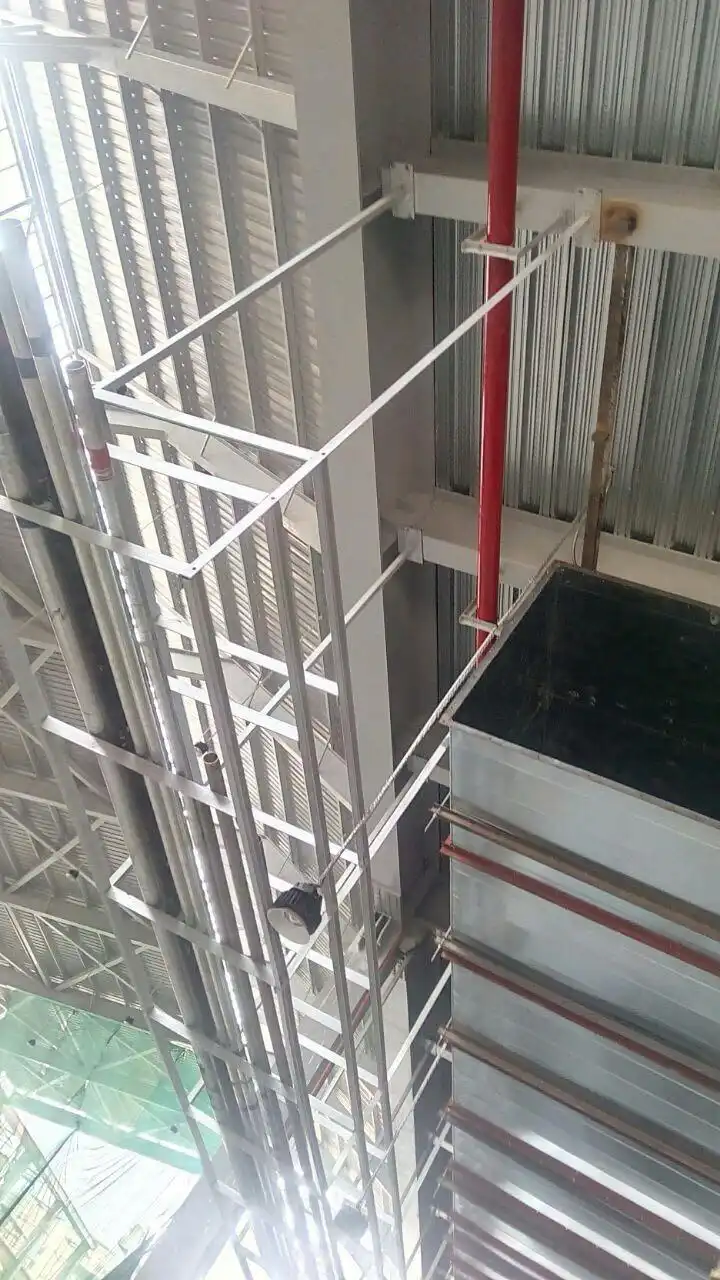
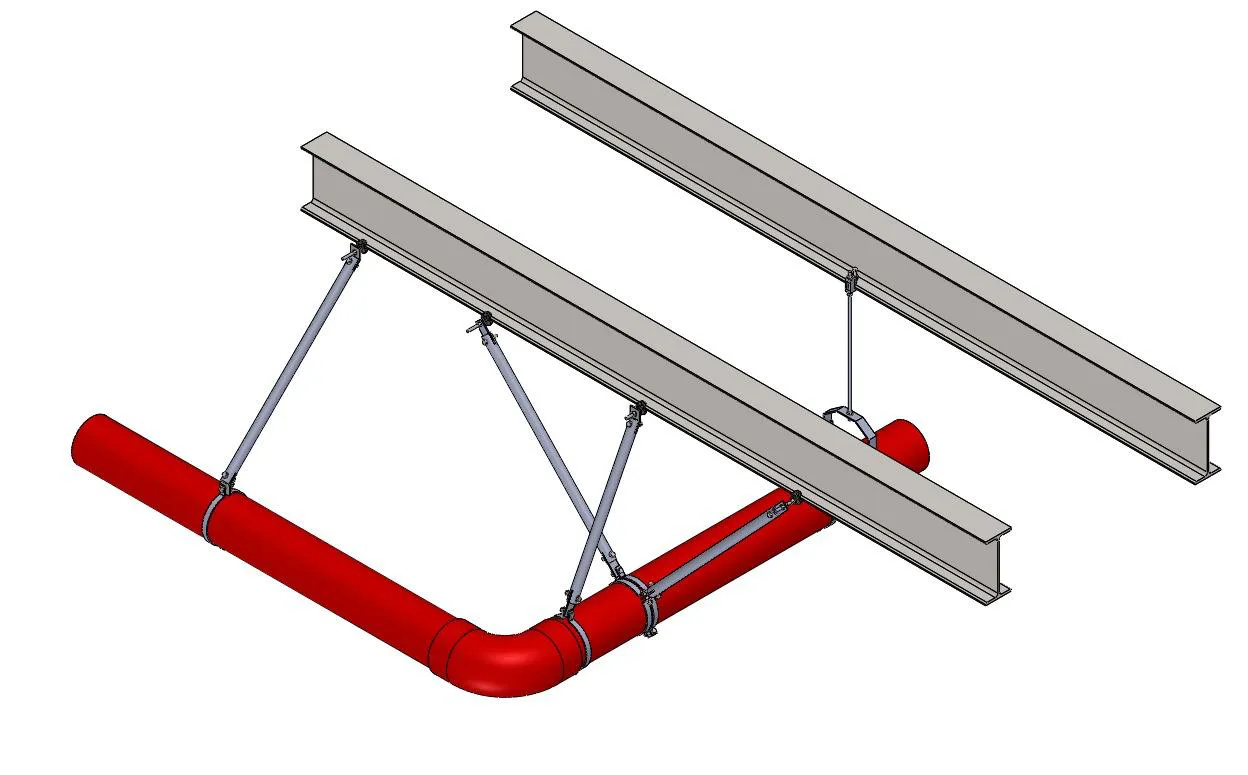
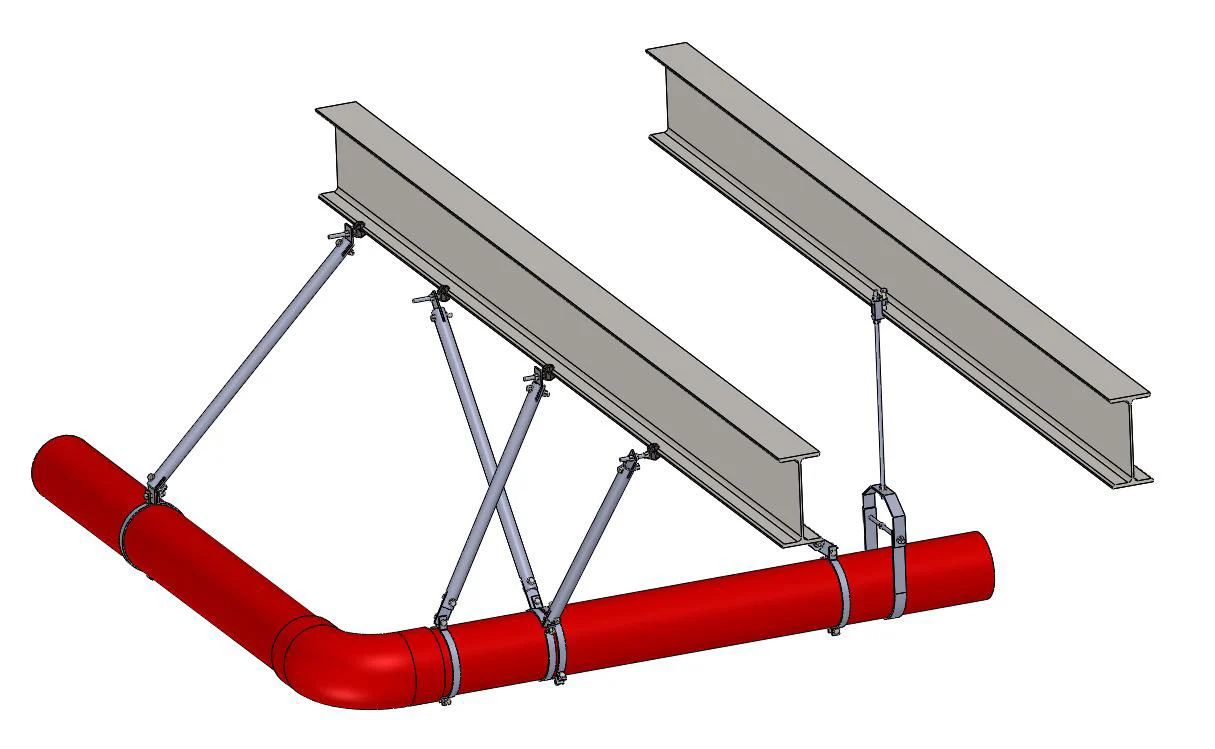
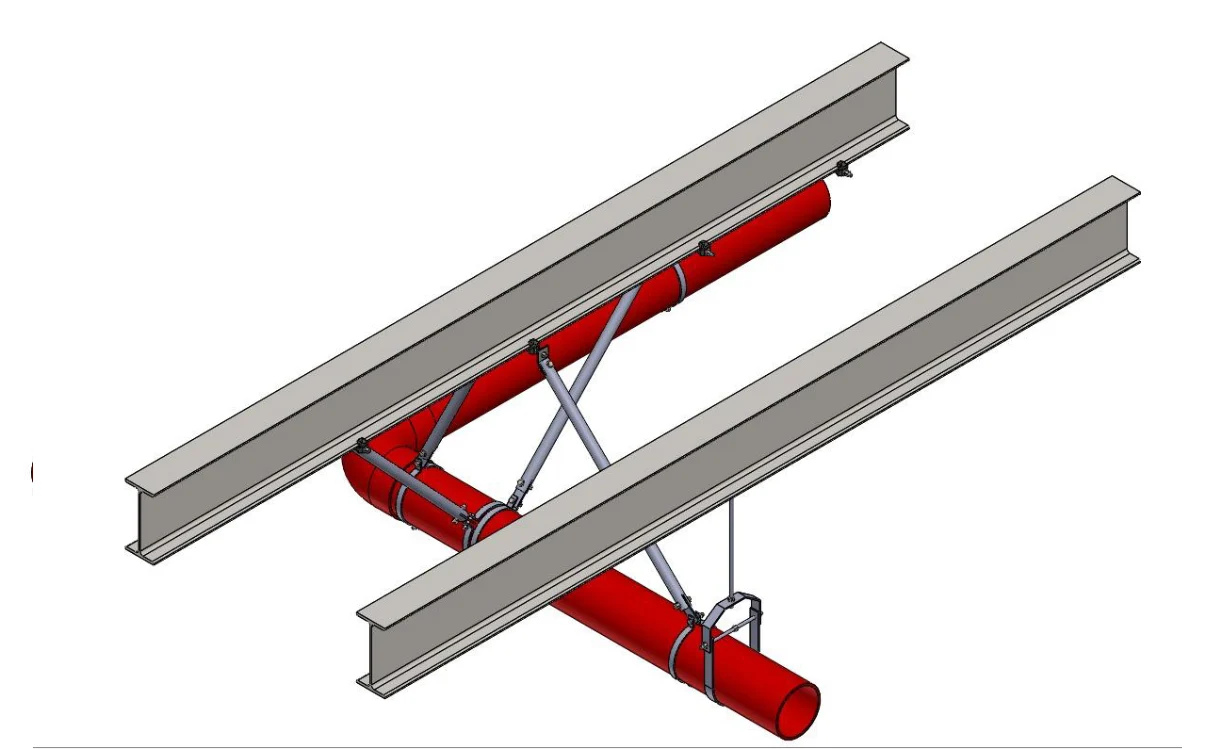
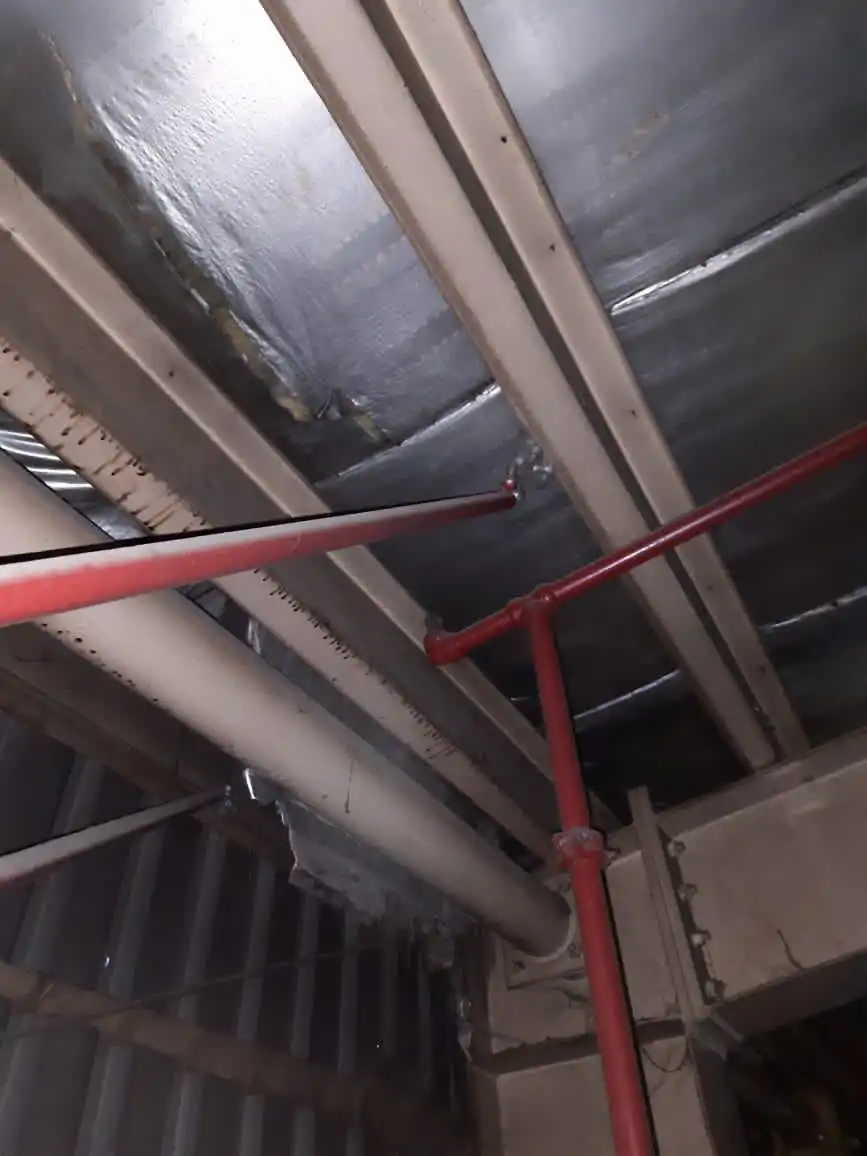
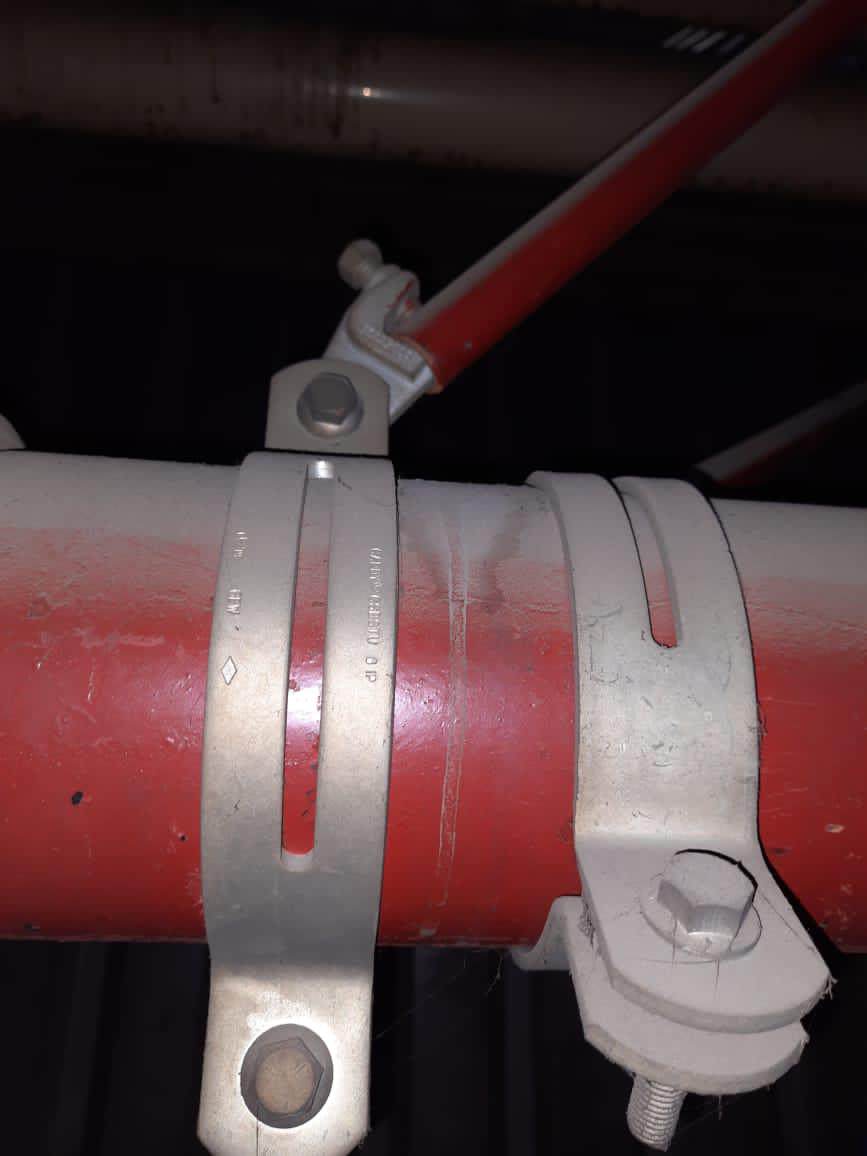
Seismic Support System
- Home
- Seismic Support System
People generally do not think buildings are moving. They look solid, weighty and imperishable. In fact, however, structures shift a fraction of an inch every day. In short, Wind pressure, vibration of traffic, the phenomena of machinery and movement in the underground all contribute to creating stress in a building. And that stress becomes extremely serious during earthquakes. A small crack can easily turn into a serious problem if the structure has not been supported properly inside. That's why several industries, commercial spaces and infrastructure projects invest in a Seismic Support System.
But the focus is not only on strengthening but also on preventing systems within GB Enterprises from destabilising at times of unexpected seismic movements. The perception is that a building appears secure from the outside, but piping, ductwork, cable trays and mechanical systems need protection as well.
The Hidden Damage Earthquakes Cause
However, most of the time, the damage comes from collapsed buildings when people think about the damage caused by an earthquake. But the bigger problem is frequently what lies inside. Electrical systems may disconnect. Pipes can break. HVAC ducts can Get Misaligned. Leakages of water, gas and fire can occur in a matter of seconds.
Most modern buildings collapse as such, but the structural integrity of many modern structures withstands earthquakes, whereas internal systems fare much worse. A Seismic Support System is what you need here. It assists with the arrangements of non-structural components. These elements are rarely considered in planning, but can have a big impact on safety and operations. All hospitals, malls, factories, data centres and warehouses need secure internal support systems.
What is a Seismic Support System?
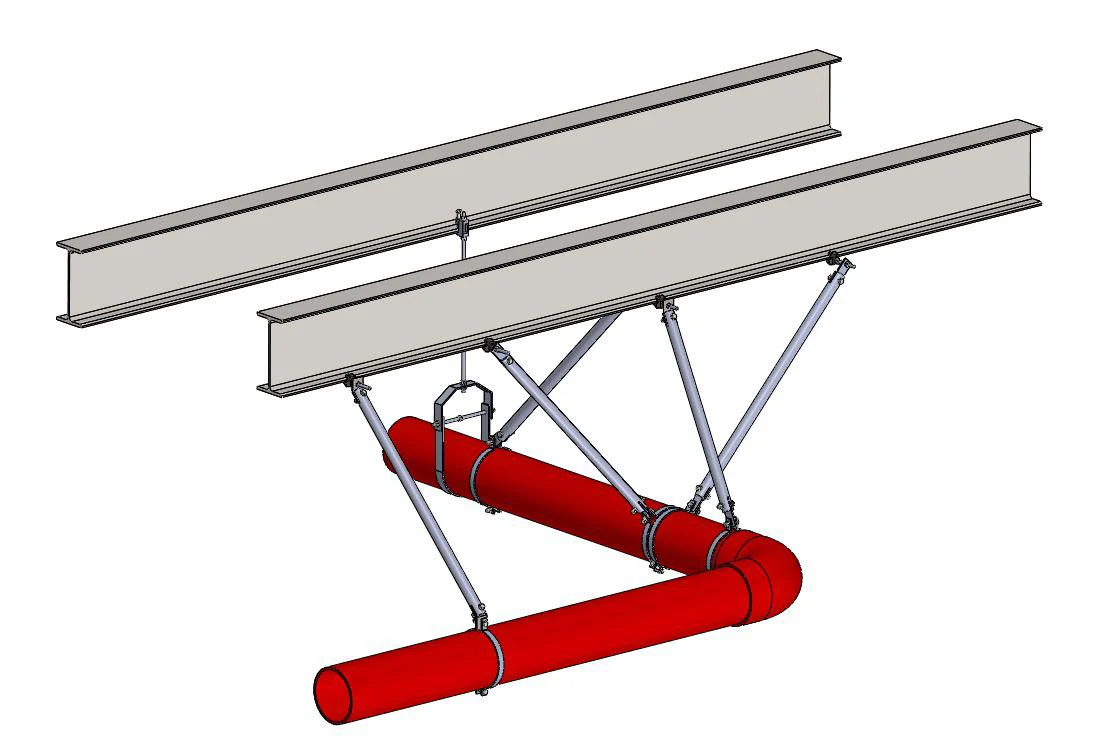
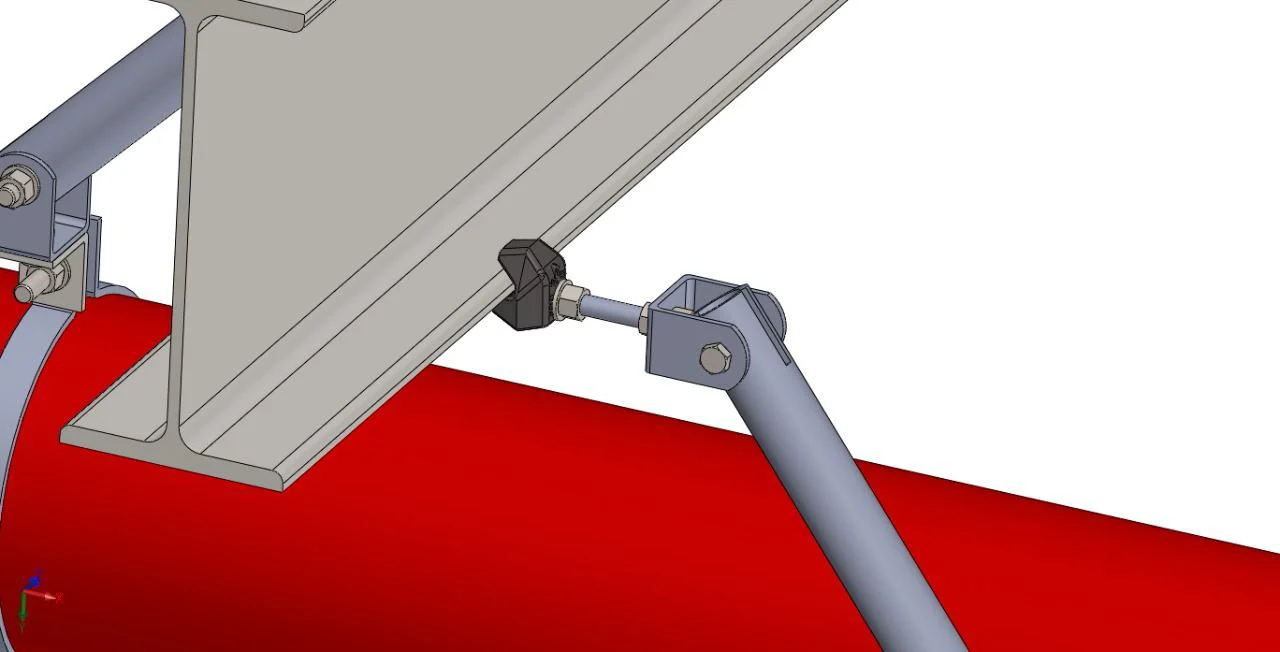
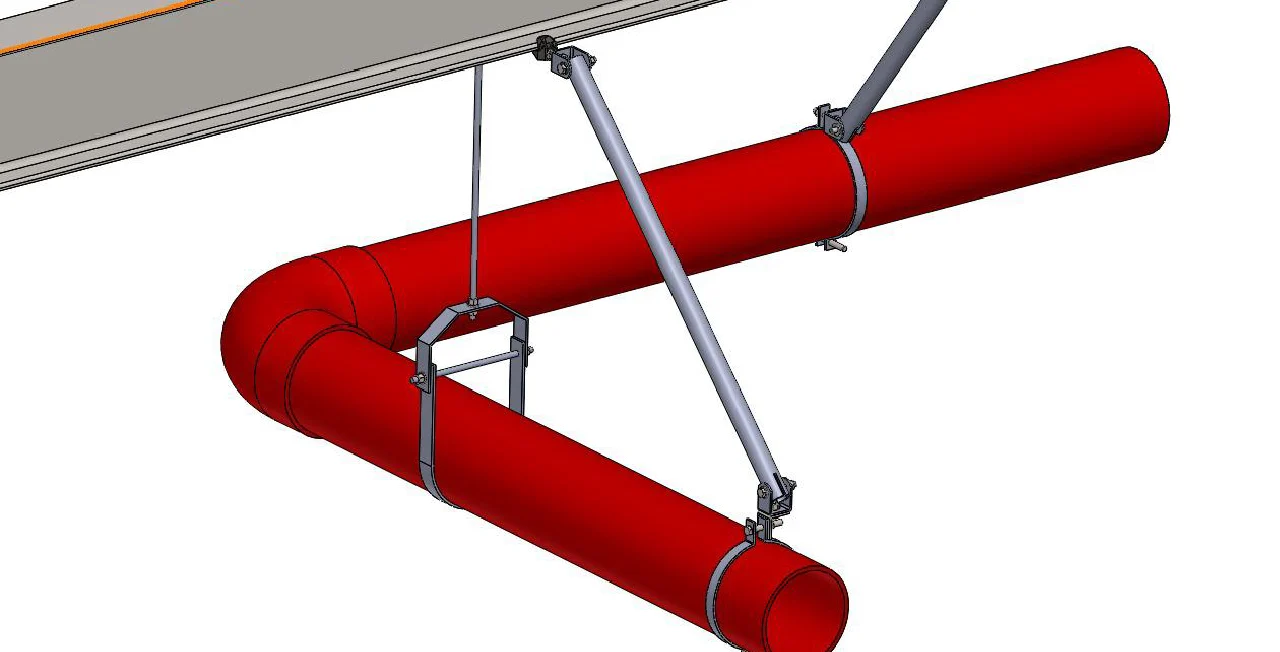
A structural member that provides support configuration to protect building services and equipment from seismic movement.
- Pipes
- Electrical conduits
- Cable trays
- Air ducts
- Mechanical equipment
- Suspended systems
- Fire sprinkler lines
This is very simple to stop movement during an earthquake or vibration. Such systems can be stable until they are subjected either to failure, disruption or a shock, in which case they may warp, bump each other off the road or even fall apart. With GB Enterprises, you get reliable shoring solutions that ensure the building remains operational even while external vibrations occur.
Why Traditional Support Systems Are Not Enough
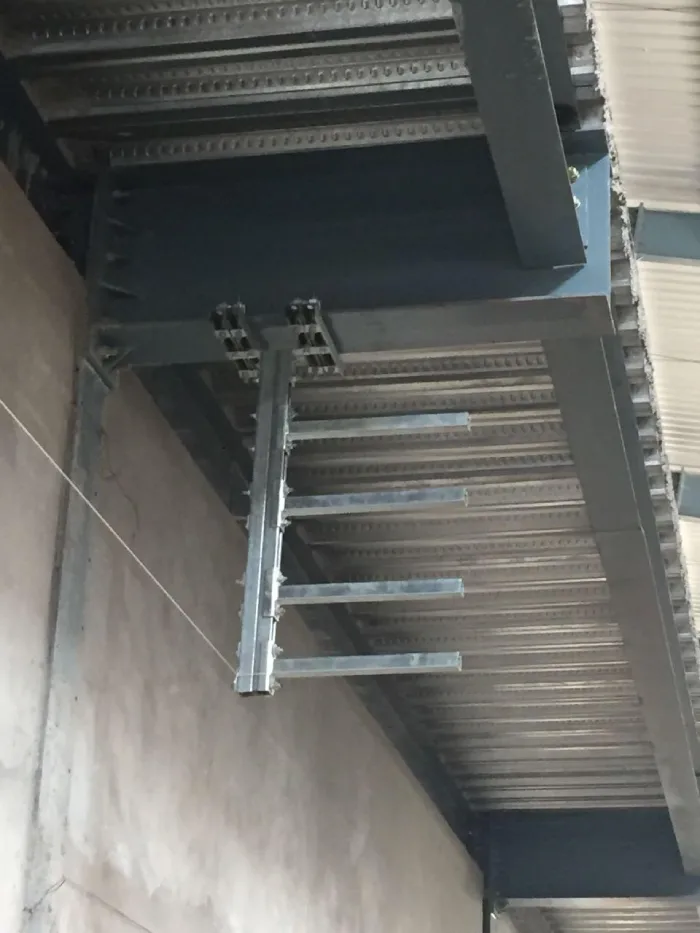
There are still many buildings that use standard hangers and clamps for piping and ductwork. While these conventional systems are useful as weight holders, they were not made for oscillation impact. A regular hanger supports an axial load. But earthquakes create sideways force. That sideways pressure puts stress on joints and key places of support. Over time, even weak supports can come loose or crack. This distinguishes a Seismic Support System, as it accounts for horizontal force or vibration caused by earthquake-induced unexpected lateral motion. This newfound security goes a long way when something goes terribly wrong.

Components Used in a Seismic Support System
Every building has different requirements. The support scheme varies due to layout, height, equipment weight and seismic zone.
Brackets and Anchors
Anchors tie the support structure to walls, floors or ceilings.
Bracing Elements
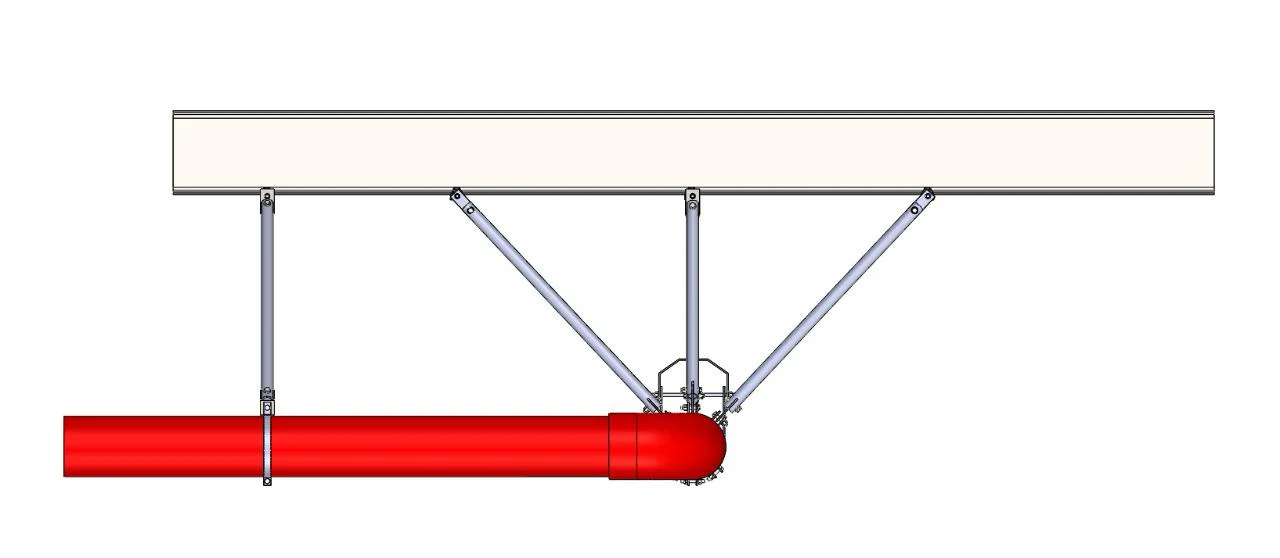
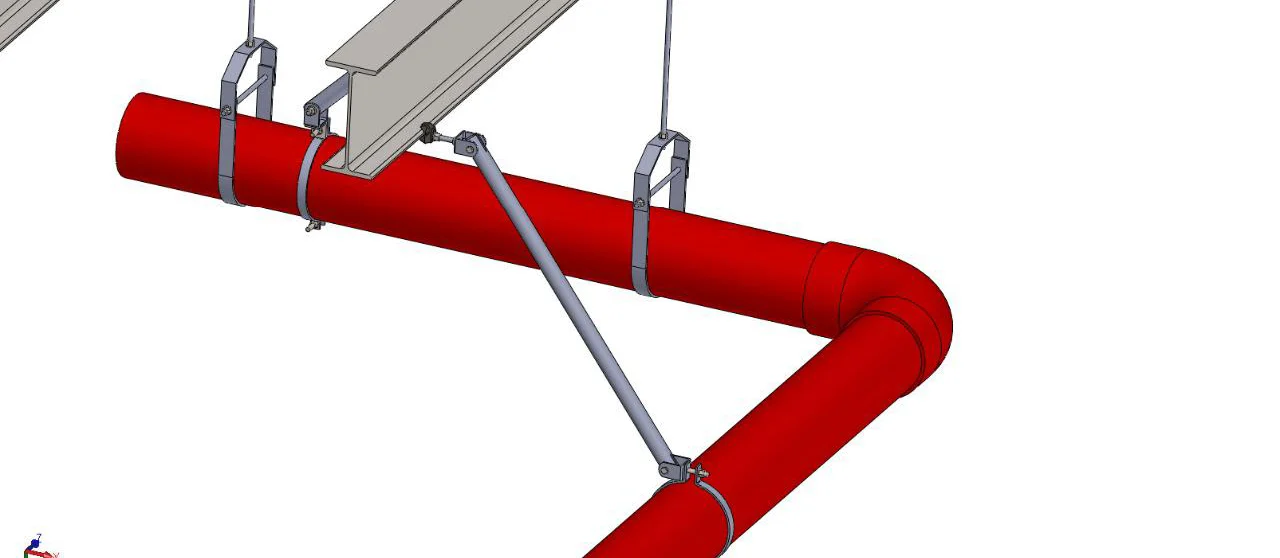
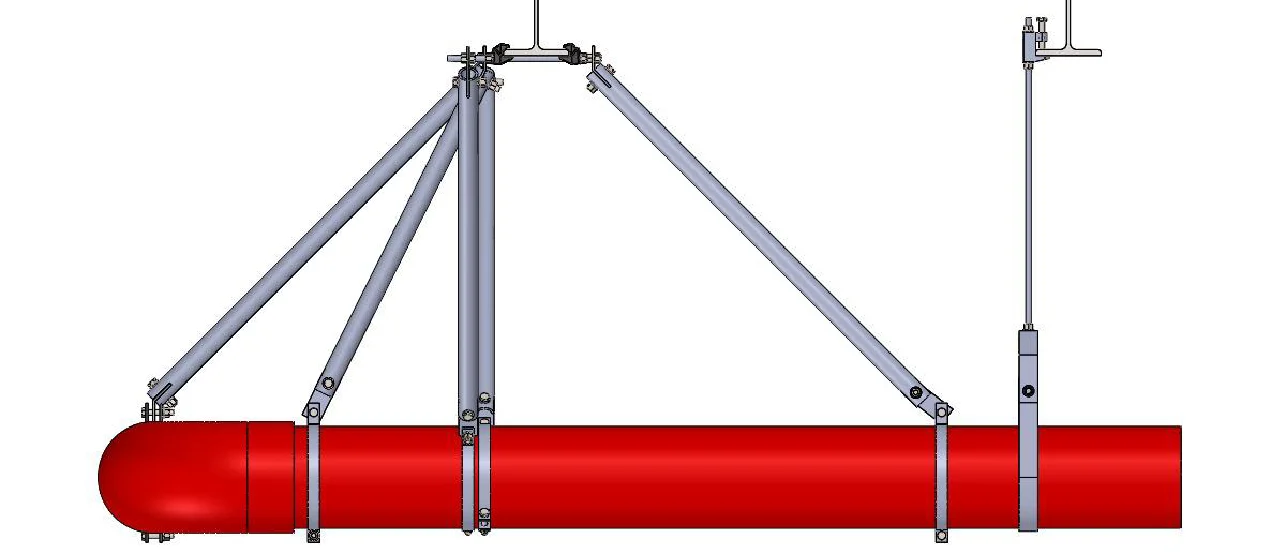
Braces are installed at an angle so that excessive movement is prevented.
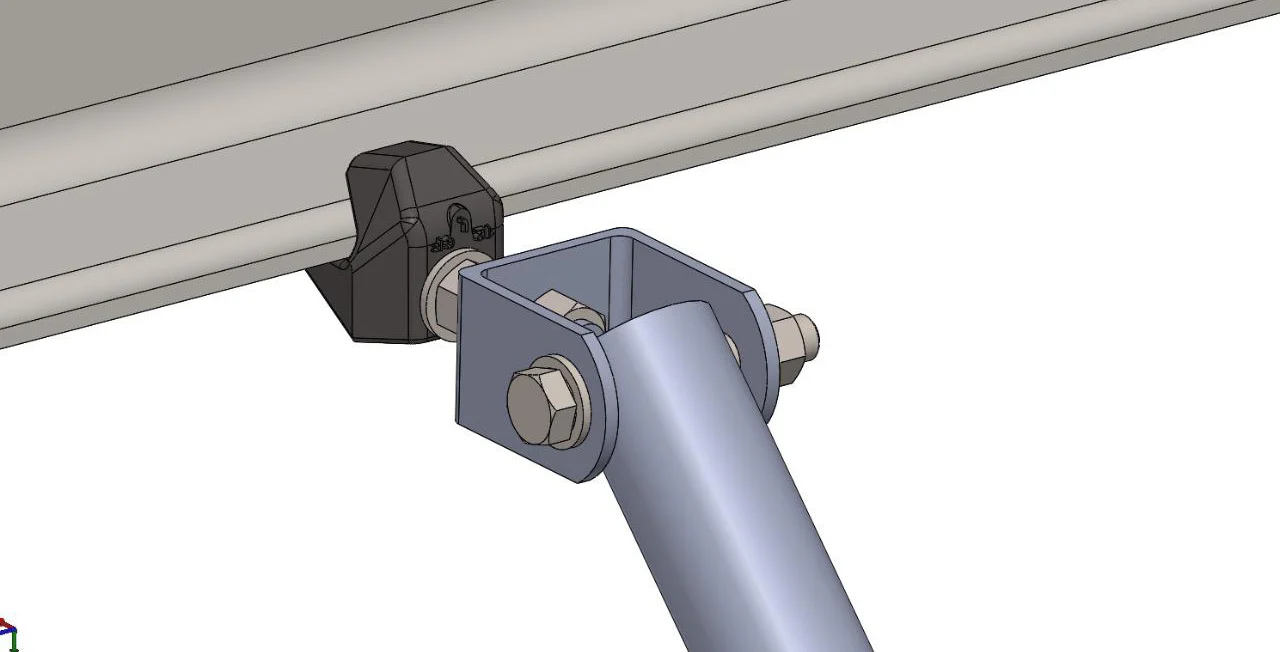
Fasteners and Connectors
Tight connective systems hold these various pieces together.
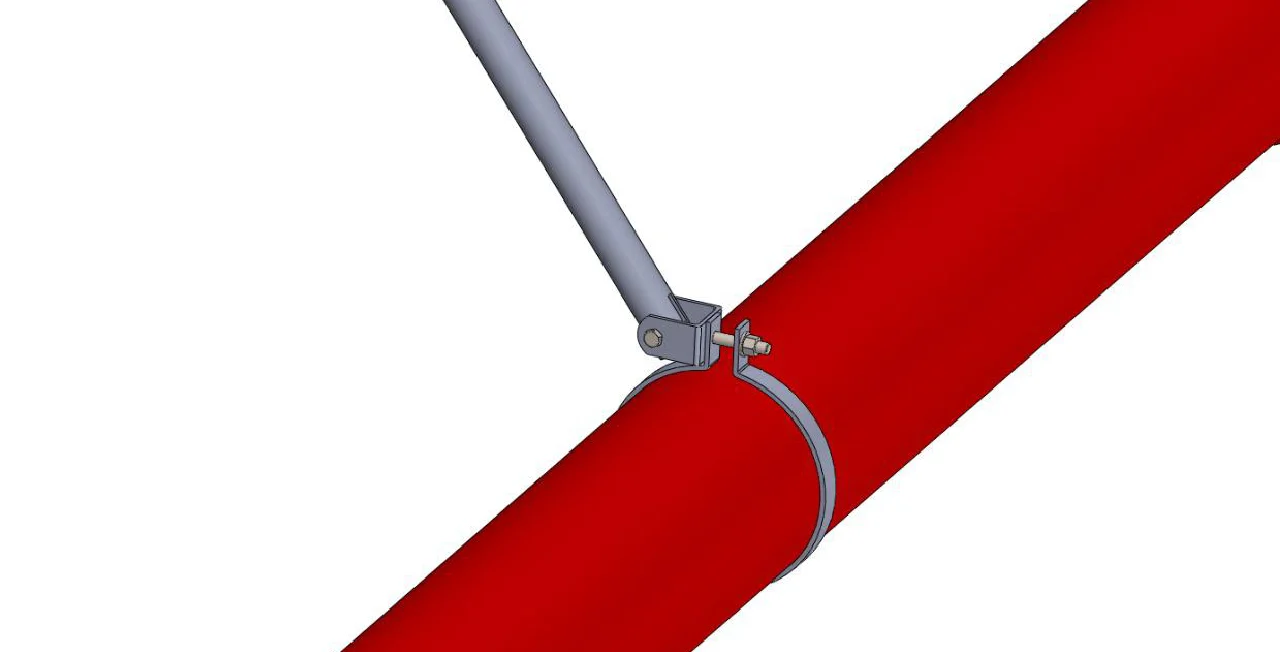
Clamps and Pipe Supports
These keep piping systems stable during earthquakes.
Vibration-Resistant Hardware
Some systems utilize hardware specifically designed to inhibit vibration.
How Seismic Support Improves Safety
The primary factor that drives companies to spend on such technology is safety. Any building is more than walls and roofs. Internal systems are equally important. Seismic support reduces your chance of:
- Pipe rupture
- Ceiling collapse
- Equipment movement
- Fire sprinkler damage
- Cable disconnection
- Structural strain
These risks may seem minimal, but they turn into a deadly threat in less than no time during an earthquake. Support, when done right, reduces your repair costs and helps you respond quickly to emergencies.
Why Businesses Choose GB Enterprises
While many companies may look for quality products, experience is also necessary. GB Enterprises offers reliable support services suitable for industrial and commercial work. This is a consistent trademark of the business that focuses on longevity, efficacy and efficient installation. This is why clients come back to GB Enterprises over and over:
- Reliable product quality
- Industry understanding
- Custom support solutions
- Strong engineering approach
- Long-term durability
Installing is easier, and the performance is more stable if you work with a quality indicator supplier. A Seismic Support System installed correctly will never be an accessory. It enters into how we plan for building safety.
The Future of Seismic Protection
Year after year, construction methods have continued to advance. So, engineers now emphasise resilience rather than structural strength. Advancements in smart systems, lightweight materials used in modern architecture, and supporting technology help smart architects. The more urbanisation you have in the city, the more complex the buildings get. This means that support systems would become more essential. Planning for unexpected movement is key to future-ready Infrastructure.