Heavy Duty Modular Support Systems
- Home
- Heavy Duty Modular Support Systems
Certain construction mechanisms can be seen at a glance. Others remain in the background but have a significant burden. A heavy-duty modular support systems installation falls under that second category. Support structures in factories, industrial plants, commercial buildings, warehouses, and HVAC projects perform more than merely supporting weight. They provide stability, minimize installation issues and ease future maintenance.
GB Enterprises offers solutions to support that suit the requirements of modern construction and engineering. Many industries are opting to use modular designs as opposed to relying on outdated structures due to their time-saving nature and ability to establish flexibility. An effective support base can streamline the whole process of installation.
What Exactly Are Heavy Duty Modular Support Systems?
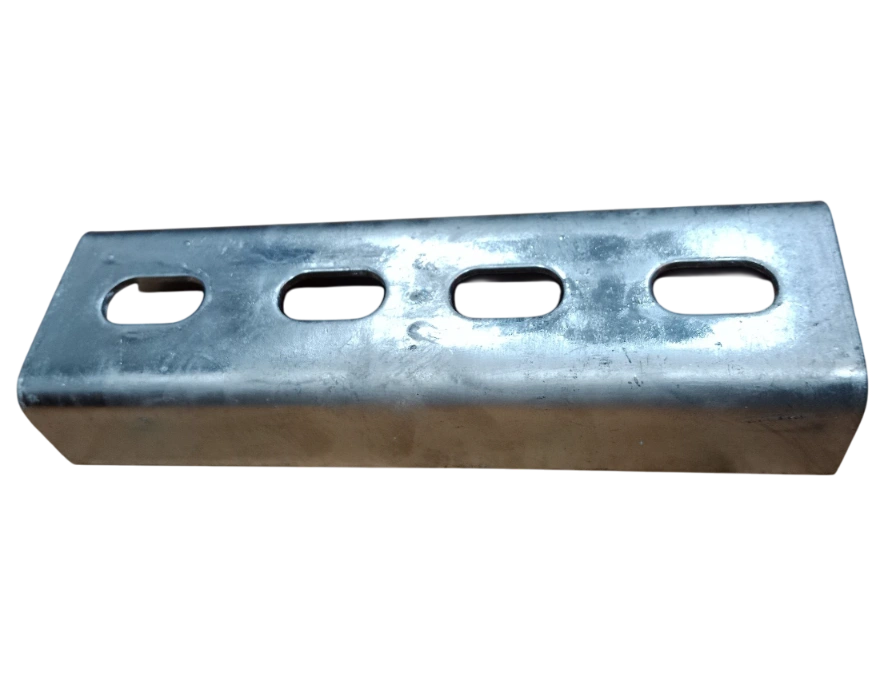
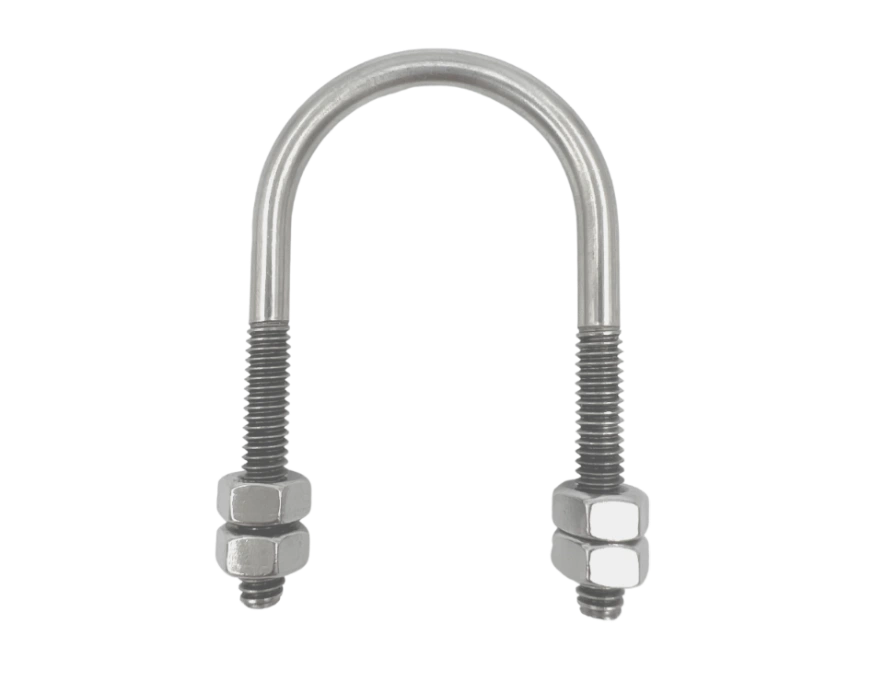
A heavy-duty modular support system is a pre-engineered support system designed to support heavy mechanical, electrical, piping or HVAC equipment. Modular supports, unlike traditional welded systems, are pre-manufactured parts that are connected. Such systems are constructed so that they are strong but at the same time designed to be easy to install.
Instead of developing support entirely in assemblies, installers will be able to put together components on a project-by-project basis. This technique tends to minimize the time. It also assists projects to be more consistent.
Why Many Industries Are Moving Toward Modular Support Solutions
The way of construction is still evolving. Projects have become urgent to be completed faster, more organized and long-term durable. A heavy-duty modular support systems approach provides industries with several benefits.
Faster Installation
Components are also ready-made; thus, assembly is faster.
Better Structural Stability
Heavyweight needs to be supported equally. Thus, modular systems are beneficial to spread the weight evenly.
Less Welding On-Site
The conventional welding involves extra work. Modular buildings lessen fabrication requirements.
Easier Future Expansion
Modular systems can be modified in case they are installed with extra equipment later.
Cleaner Installation Appearance
Many modular layouts appear organised and professional.
Think About the Situation
Consider an industrial structure in which there are several pipelines, cable trays, and ducts that should be supported. Installations can be untidy without a thought-out structure. Supports can be installed differently by different contractors. This tends to bring about inconsistency. Now, envision a unified modular system that is created to bring together all systems. It is at this point that a heavy duty modular support systems configuration comes in handy. It develops an organized plan.
Where Heavy Duty Modular Support Systems Are Commonly Used
All the support requirements are not identical. Modular systems are employed in different industries due to various reasons.
Industrial Manufacturing Plants
Factories are usually loaded with heavy machinery, ducts, cable trays and pipes. Powerful backing is needed. A modular support system design of heavy-duty assists in maintaining layouts.
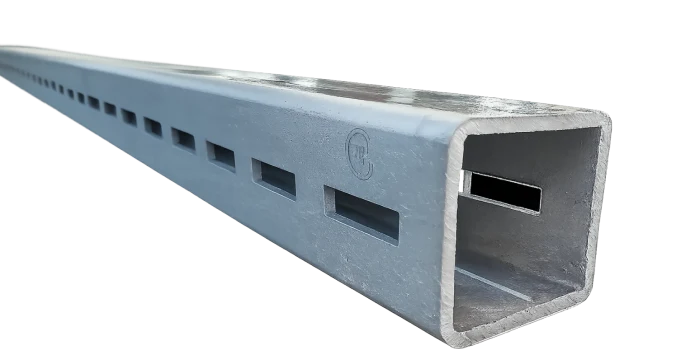
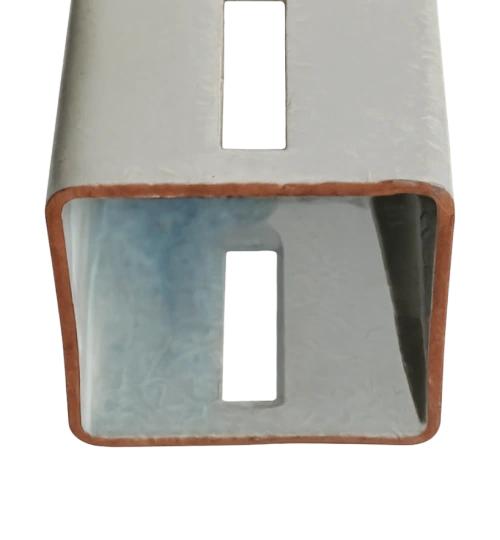
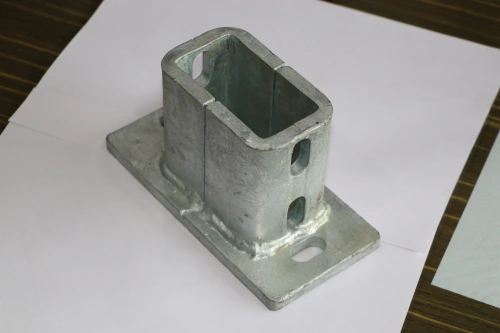
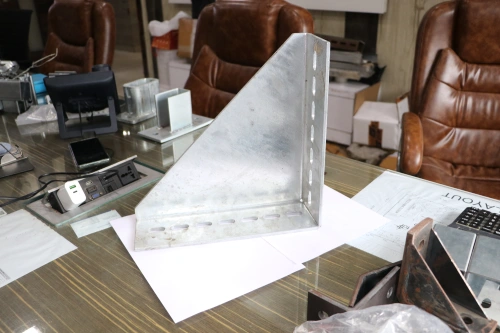
What Makes Heavy Duty Modular Support Systems Different?
Custom fabrication is typically needed with traditional support systems. The installation might need welding, cutting, and changing. The modular support systems framework used by heavy-duty is different.
Data Centers
Components are produced in standard sizes.
Flexible Layout Options
Supports are flexible to various building structures.
High Load Capacity
These were made to transport the heavy equipment.
Easier Maintenance Access
Arranged structures are easier to inspect.
Reduced Installation Errors
Accuracy is sometimes enhanced by standardized systems.
Problems That Can Happen Without Proper Support
The attention of many people is on equipment installation. The quality of support is neglected in some cases. This gives rise to long-term problems.
Misalignment
Unsupported systems can change gradually.
Excessive Vibration
The mobility generates sound and structural pressure.
Difficult Maintenance
Access is complicated due to the poor layout.
Higher Repair Costs
Poor support will result in redundant maintenance.
Safety Risks
Heavy equipment can be unstable.
The appropriate heavy duty modular support systems structure would minimize these risks.
Why GB Enterprises Focuses on Reliable Support Solutions
Support structures can be straightforward. But it is engineering behind them. GB Enterprises is aware of the impact of support design on performance in the long term. An appropriate heavy duty modular support systems solution will contribute to a decrease in project delays. It also enhances the structural reliability. Businesses tend to favour a structured layout of support due to easier maintenance. Unlike making the support one piece at a time, modular systems provide uniformity. GB Enterprises offers solutions to industrial and commercial needs.
Installation Planning Matters More Than Many Expect
The most supportive system can collapse when planning is not good. Proper spacing and alignment should always be followed during installation.
Misalignment
- Weigh and measure equipment before installation
- Spacing of plans: plan support.
- Space for leave maintenance access.
- Check structural loading capacity.
- Inspect final alignment
These measures assist in enhancing stability in the long term. A heavy-duty modular support system is effective when properly installed.
Future of Heavy Duty Modular Support Systems
The evolution of engineering projects goes on. Speed, flexibility and organization are now more important than ever. A modular support systems framework of heavy-duty is suitable for this shift. The trends likely to take place in the future might include:
- More lightweight designs
- Faster installation systems
- Improved corrosion protection
- Better vibration control
- Smarter modular layouts
With the increasing size of industrial projects, support systems are bound to be even more significant.
Final Thoughts
A heavy duty modular support system construction is not a support frame. It is the foundation of systematic installation. Contemporary undertakings demand elasticity. There are still traditional approaches, and modular solutions can be more efficient. GB Enterprises has realized the importance of strong support structures. Projects that have been properly planned with support systems will be easier to maintain and more reliable over time. Powerful support is not always evident, yet it has a significant role to play in the background.