Duct Support System
- Home
- Duct Support System
The majority of individuals pay attention to air conditioning vents, cooling efficiency, or air quality in a building. Few people pay attention to what really makes the duct network safe. A duct support system operates silently behind ceilings and walls to ensure everything is balanced and stable.
Duct lines can move, bend, or even break without support. Proper support structure does not just relate to weight support. It allows the airflow to remain consistent, avoids vibration and improves long-term HVAC efficiency.
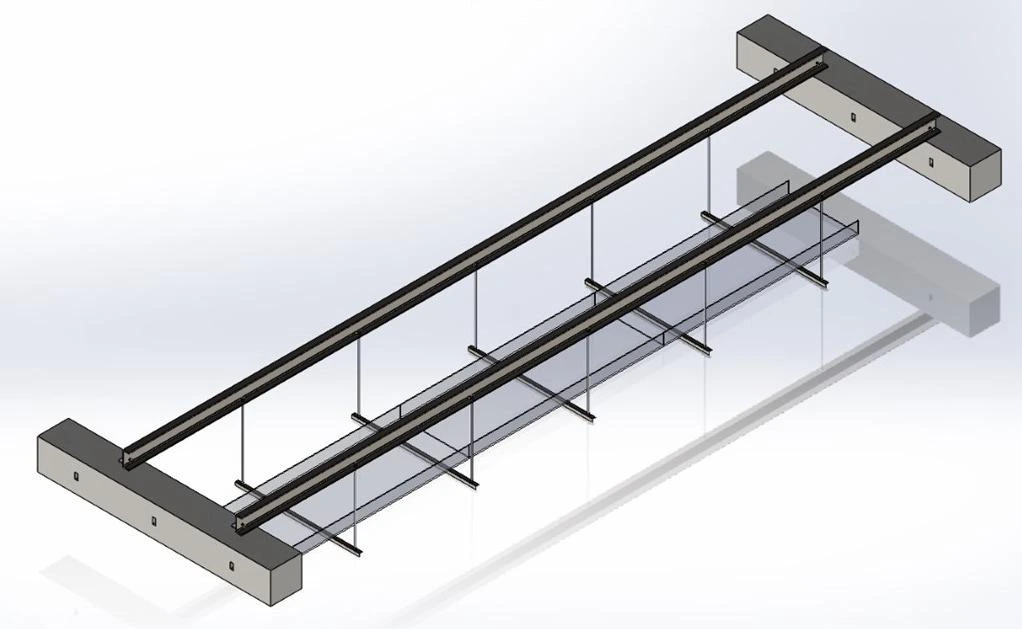
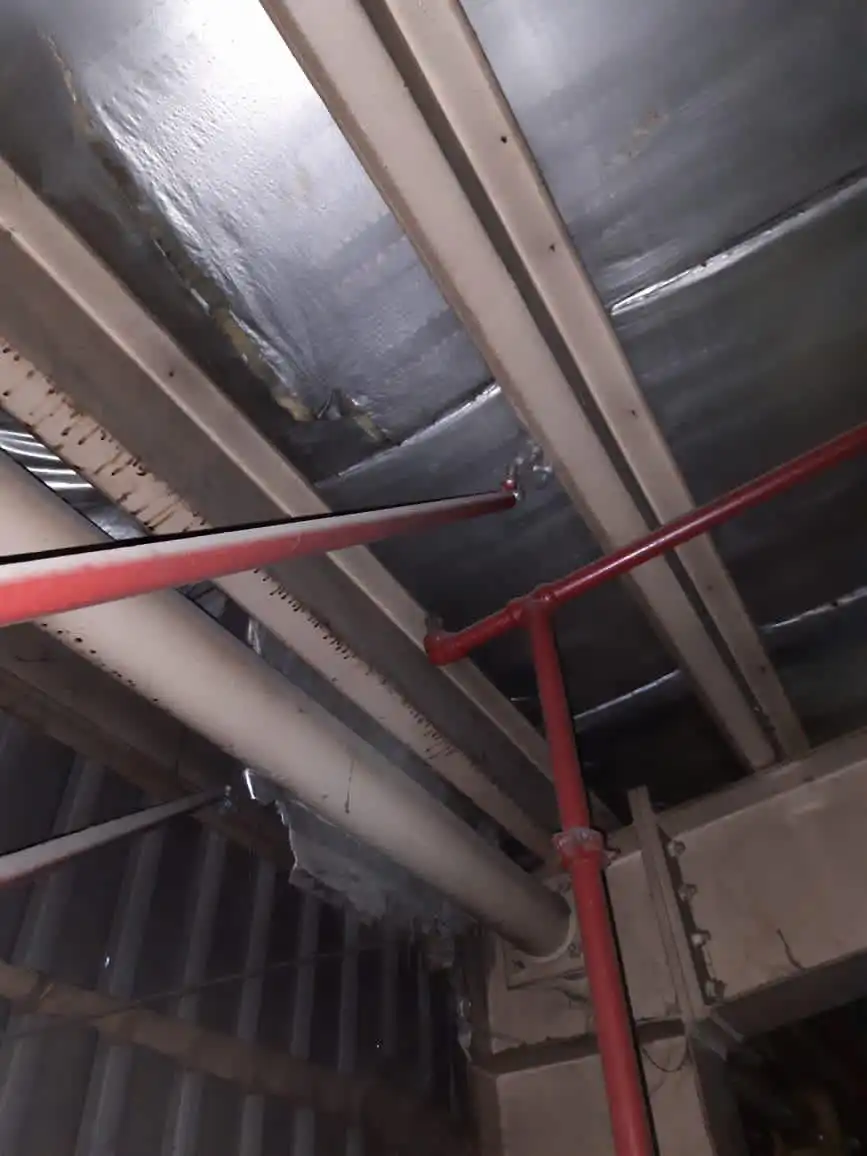
In the case of industries, commercial buildings and large projects, support systems are as important as the ductwork itself. GB Enterprises recognizes this necessity and concentrates on long-lasting support solutions, enhancing the quality of installation.
Why Duct Support Systems Matter More Than People Realize
A duct support system can be a tiny component of HVAC installation, yet its purpose is much greater. Support systems assist in maintaining ducts during long periods of time. Heavy duct lines can creep, loosen or cause structural stress without sufficient support.
When there is a strong support system, it enhances:
- Duct network stability
- Airflow performance
- Security in business premises
- Sound damping in the HVAC
- Long-term durability
Although these supports are not visible after installation, they contribute significantly to the performance of the system. The duct support system is not always visible when installed, and it directly affects the HVAC performance.
Imagine an HVAC System Without Proper Support
Consider a pipe that is heavy and hanging over a big ceiling. Now consider that air pipeline, which is filled with air on a daily basis. In the absence of a solid foundation, several things begin to occur:
- Duct joints loosen gradually
- Air leakage begins
- Uneven airflow appears
- Noise becomes noticeable
- Repair cost increases
That is why the duct support system should be regarded as a necessity rather than a luxury.
The Real Job of a Duct Support System
Most individuals think that supports merely attach ducts. But the role is much more than that. A duct support system assists in spreading the weight evenly in the installation. It lessens the strain on joints and connections. When ducts are kept flat and parallel, the flow of air is smooth. Lack of alignment may cause resistance within ducts. This can boost energy consumption over time. Good support also enhances the general durability.
Different Support Methods Used in HVAC Installations
Each of the buildings differs in its layout. Due to this, methods of support are also different.
Ceiling Suspension Method
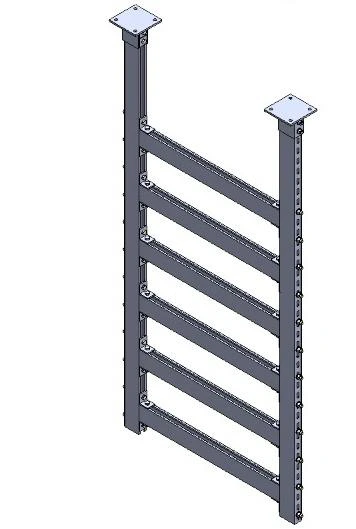
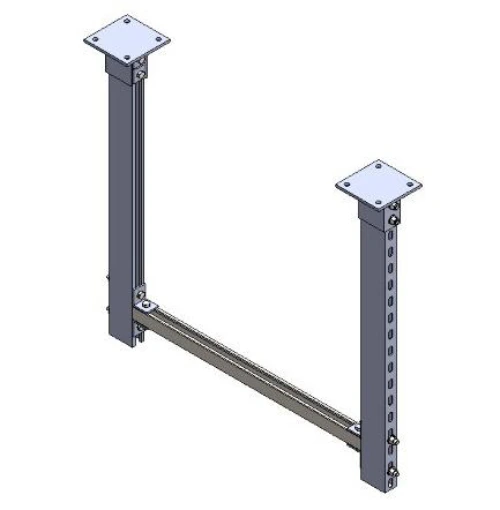
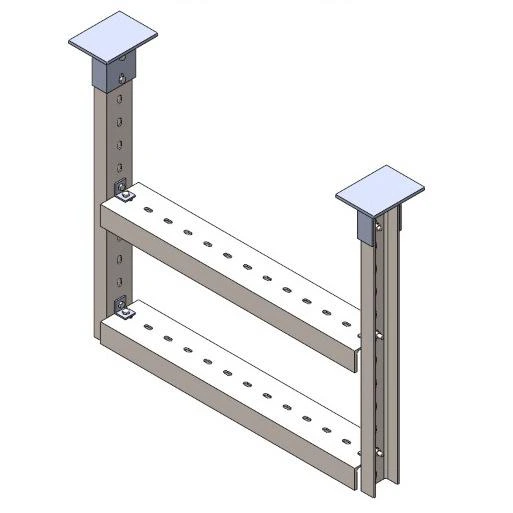
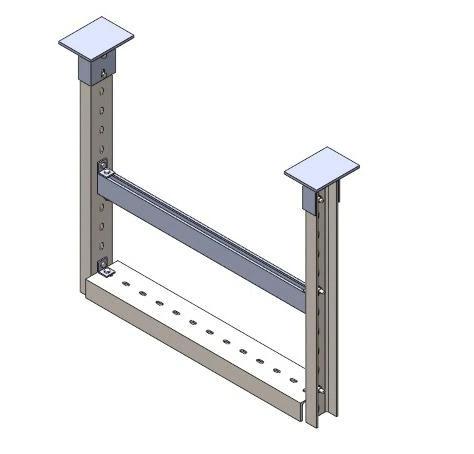
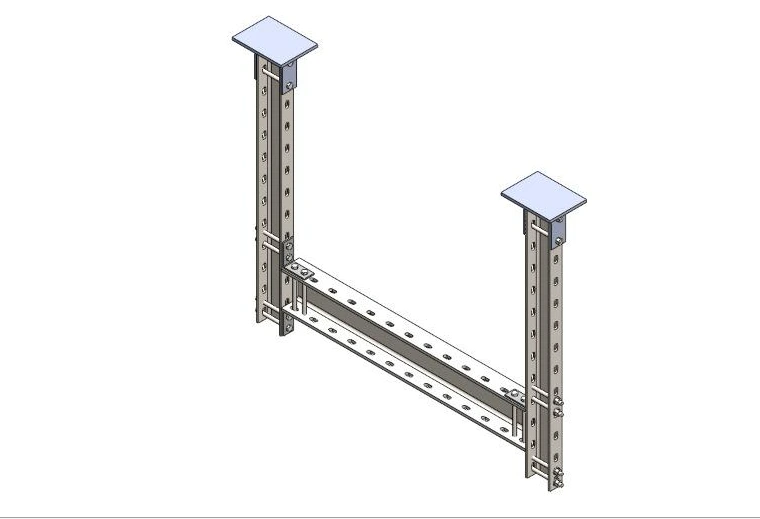
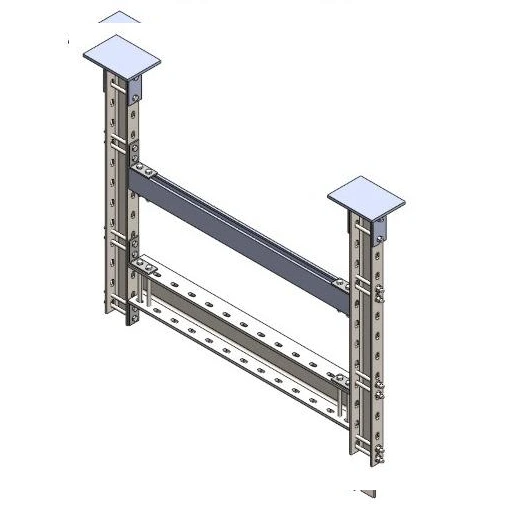
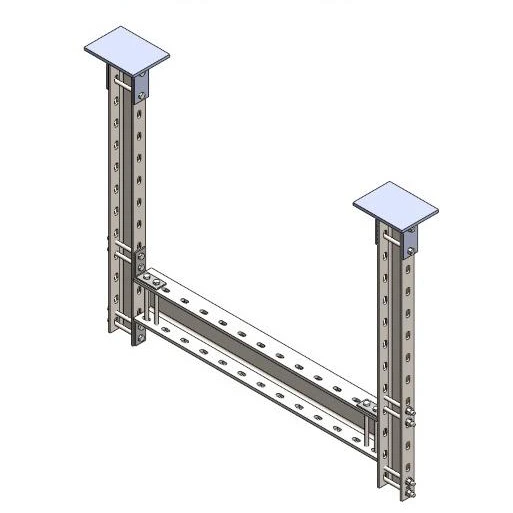
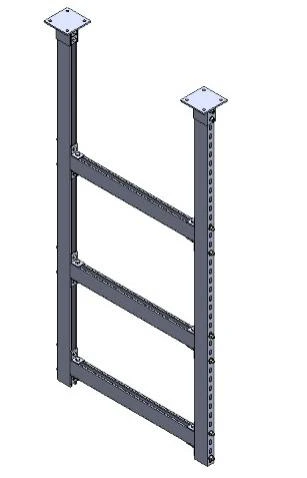
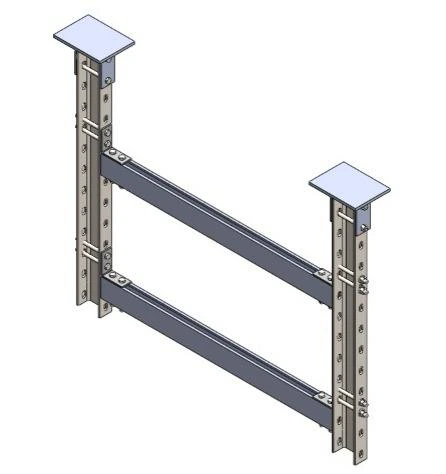
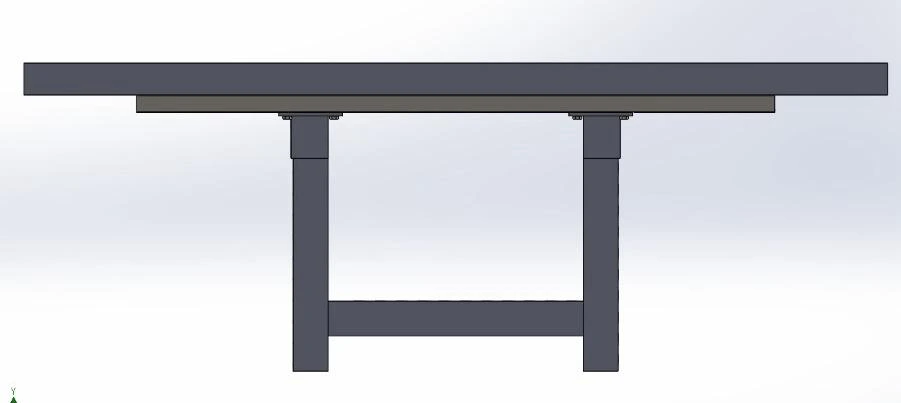
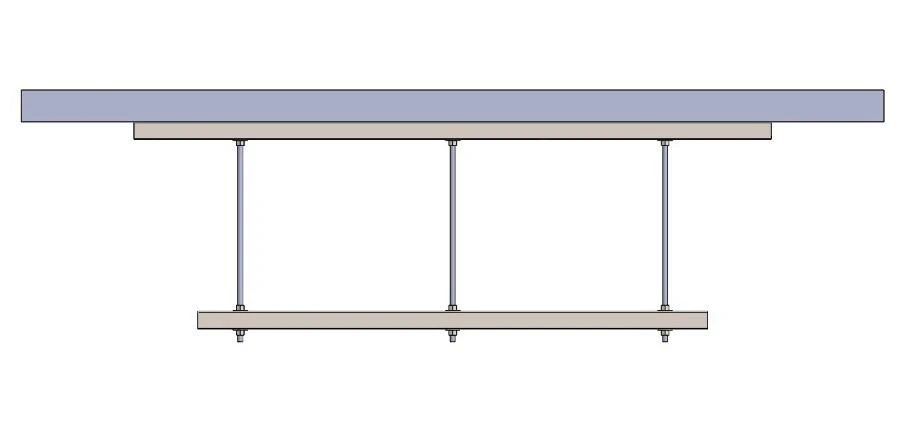
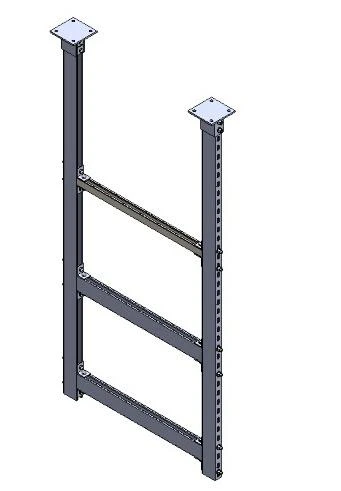
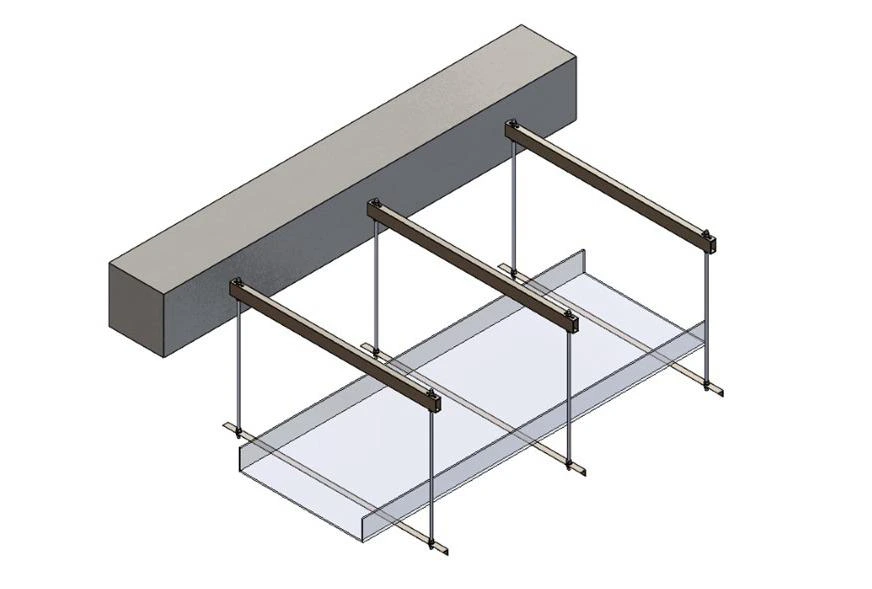
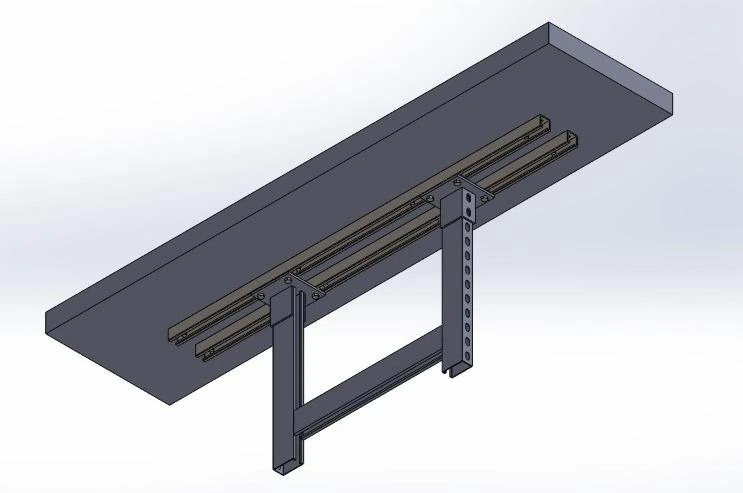
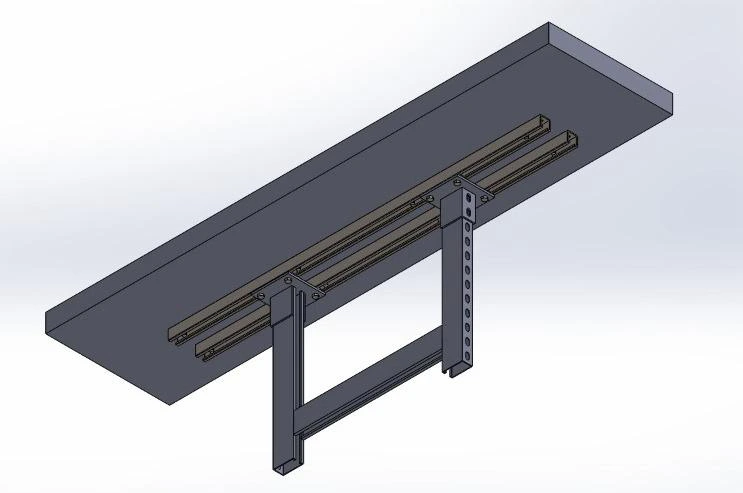
It is one of the most widespread support strategies. Threaded rods are used to suspend ducts over overhead structures. This is effective in workplaces, shopping centres and work areas.
Best Used For:
- Rectangular ducts
- Large ceiling cavities
- Commercial HVAC layouts
Common Industries That Depend on Strong Support Systems
A duct support system can be applied in various industries.
Commercial Spaces
- Office constructions should have an adequate balance of airflow.
- Support is useful in maintaining ducts in place over ceilings.
Manufacturing Units
- Ducts used in industries tend to be heavier and bigger.
- Vigorous encouragement is essential.
Hospitals
- The buildings in healthcare need controlled circulation of air.
- Ducts should be stable to ensure performance.
Warehouses
- The buildings in healthcare need controlled circulation of air.
- Ducts should be stable to ensure performance.
Data Centers
- Constant cooling systems are dependent on proper airflow.
- Support that is reliable assists in keeping things running.
Why Businesses prefer GB Enterprises
With complicated HVAC systems, the quality of support is important. GB Enterprises offers reliable solutions that target the layout of ducts in contemporary buildings. An effective duct support system minimizes operational issues. Strong support is more desirable to businesses due to its enhancement of longevity. Many project managers are placing more emphasis on support planning in lieu of merely concentrating on duct material. GB Enterprises assists in enhancing stability, efficiency of installation, and structural stability.
A Small Component With a Big Role
Support structures are usually kept under wraps. Once construction is complete, people will pay little attention to them. However, the issue manifests itself quite fast when support fails. Powerful duct support system safeguards investment in HVAC infrastructure. It promotes the performance of airflow and reduces maintenance. Ductwork, even of superior quality, will not work correctly without a stable support.
Final Words
A duct support is not just a metal hanger or bracket. It will form the base that makes ductwork durable over the years. Correct support minimizes sagging, vibration and airflow issues. Companies that spend on quality support tend to have fewer repairs and have a smooth operation of the HVAC. GB Enterprises has realized the role of structural support in the current installations. A great support produces safer buildings and optimal system performance.